Lamiaceae · ARCHIVBLATT
Coleus
hymalis
Akzeptierter Name nach Kew:Accepted name according to Kew: Coleus hymalis
Synonym: Plectranthus hyemalis J.R.I.WoodSynonym: Plectranthus hyemalis J.R.I.Wood
01 / VERBREITUNGDISTRIBUTION
Natürliche VerbreitungNatural distribution
Nach Kew WCVP: Yemen.According to Kew WCVP: Yemen.
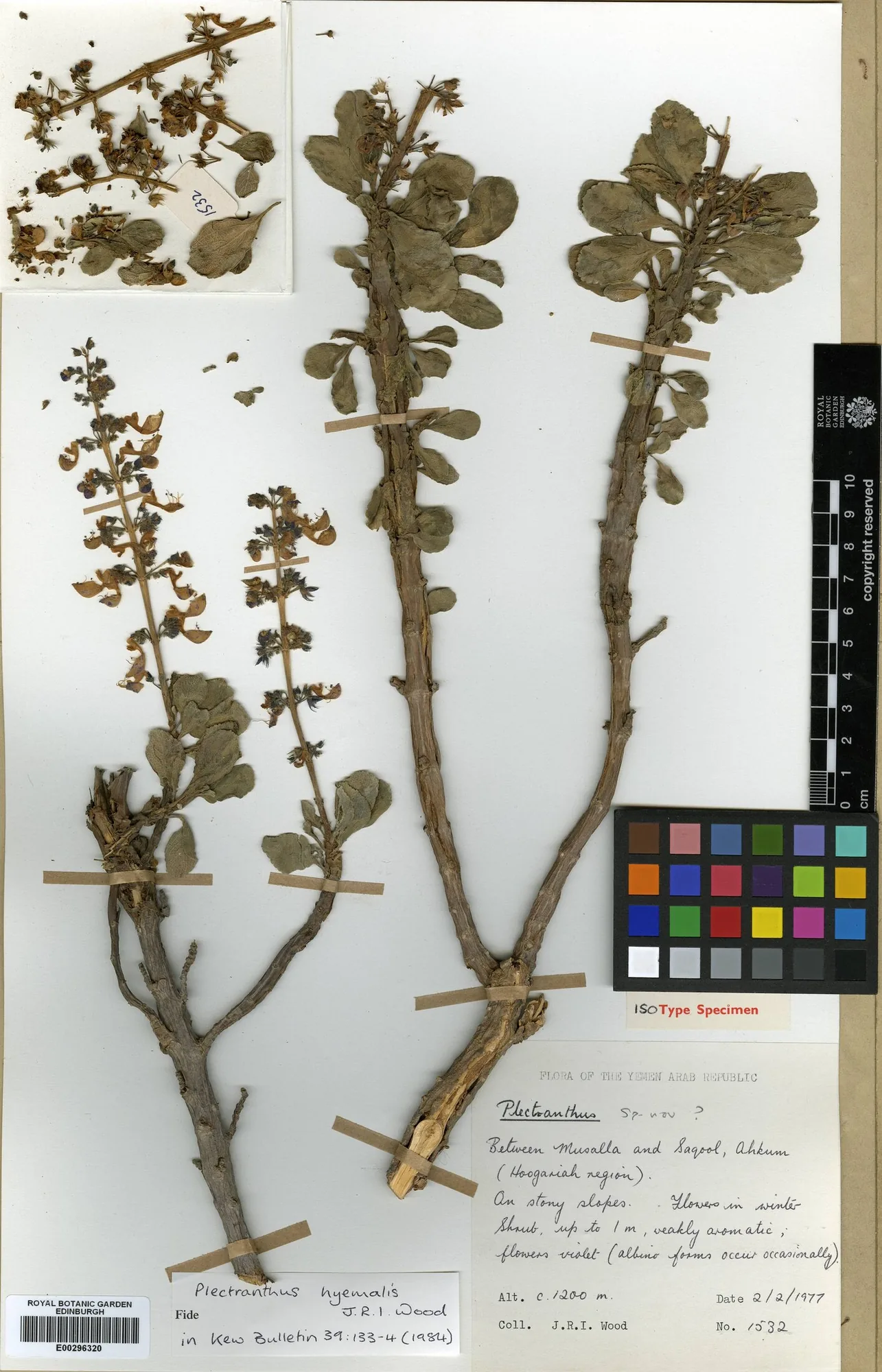
02 / ERKENNUNGCHARACTERS
Wuchs und MerkmaleHabit and characters
Die Art ist auf den Jemen beschränkt. Sie wird weder in der Flora of Southern Africa noch in der Flora of Tropical East Africa oder der Flora of Somalia behandelt. Eine morphologische Diagnose wird deshalb aus diesen Floren ausdrücklich nicht konstruiert; das Porträt bleibt bis zur Auswertung einer jemenitischen Flora vorläufig.The species is restricted to Yemen. It is not treated in Flora of Southern Africa, Flora of Tropical East Africa or Flora of Somalia. A morphological diagnosis is therefore deliberately not reconstructed from these floras; the profile remains provisional pending study of a Yemeni flora.
03 / LEBENSRAUM UND KULTURHABITAT AND CULTIVATION
Reading the habitat
- Mikrohabitat & GeologieMicrohabitat & geology
- Die ausgewerteten Floren enthalten für diese jemenitische Art keine artspezifischen Standortdaten.The floras evaluated here contain no species-level habitat data for this Yemeni species.
- Klima / StandorttypClimate / habitat type
- artspezifischer Standort in den ausgewerteten Floren nicht belegtspecies-level habitat not documented in the floras evaluated
- Klima am dokumentierten FundortClimate at the documented locality
- Mola Matar, Yemen: Jemen: arid bis semiarid; Hochlagen sind gegenüber dem Tiefland deutlich gemäßigter, mit episodischen, überwiegend sommerlichen Regenfällen. Regional etwa 150–500 mm/Jahr und je nach Höhe 18–28 °C.
- Mola Matar, Yemen: Yemen: arid to semi-arid; highlands are markedly cooler than lowlands, with episodic mainly summer rainfall. Regionally about 150–500 mm/year and 18–28 °C depending on elevation.
Die Werte sind regionale Orientierungsbereiche, keine Messungen am Sammelpunkt. Grundlage sind WorldClim 2.1 (1970–2000) und die Köppen-Geiger-Karte (1980–2016); Mikrohabitate können deutlich abweichen.Values are regional orientation ranges, not measurements at the collection point. They are based on WorldClim 2.1 (1970–2000) and the Köppen-Geiger map (1980–2016); microsites may differ substantially.
- Cultivation inference
- Ohne artspezifische Standortangabe wird keine belastbare Kultur aus der bloßen Landesangabe abgeleitet. Bis weitere Literatur vorliegt, gelten Without species-level habitat data, no reliable cultivation regime is inferred from the country record alone. Until further literature is available, only observations on the documented accession apply.
- Status of information
- NAMEN UND VERBREITUNG BELEGT · FLORA-DIAGNOSE NOCH OFFENNAME AND RANGE DOCUMENTED · FLORA DIAGNOSIS STILL OPEN
04 / ETHNOBOTANIKETHNOBOTANY
Überlieferte NutzungTraditional use
In den für dieses Porträt verwendeten Quellen ist keine eindeutig artspezifische traditionelle Nutzung belegt. Angaben zu verwandten Arten werden nicht übertragen.The sources used for this profile do not document an unambiguous species-specific traditional use. Uses reported for related species are not transferred.
05 / SAMMLUNGCOLLECTION
Collection record
Dokumentierte Herkunft: Mola Matar, Jemen.Documented origin: Mola Matar, Yemen.
DOKUMENTIERTE ZUGÄNGEDOCUMENTED ACCESSIONSDokumentierte Zugänge:Documented accessions:
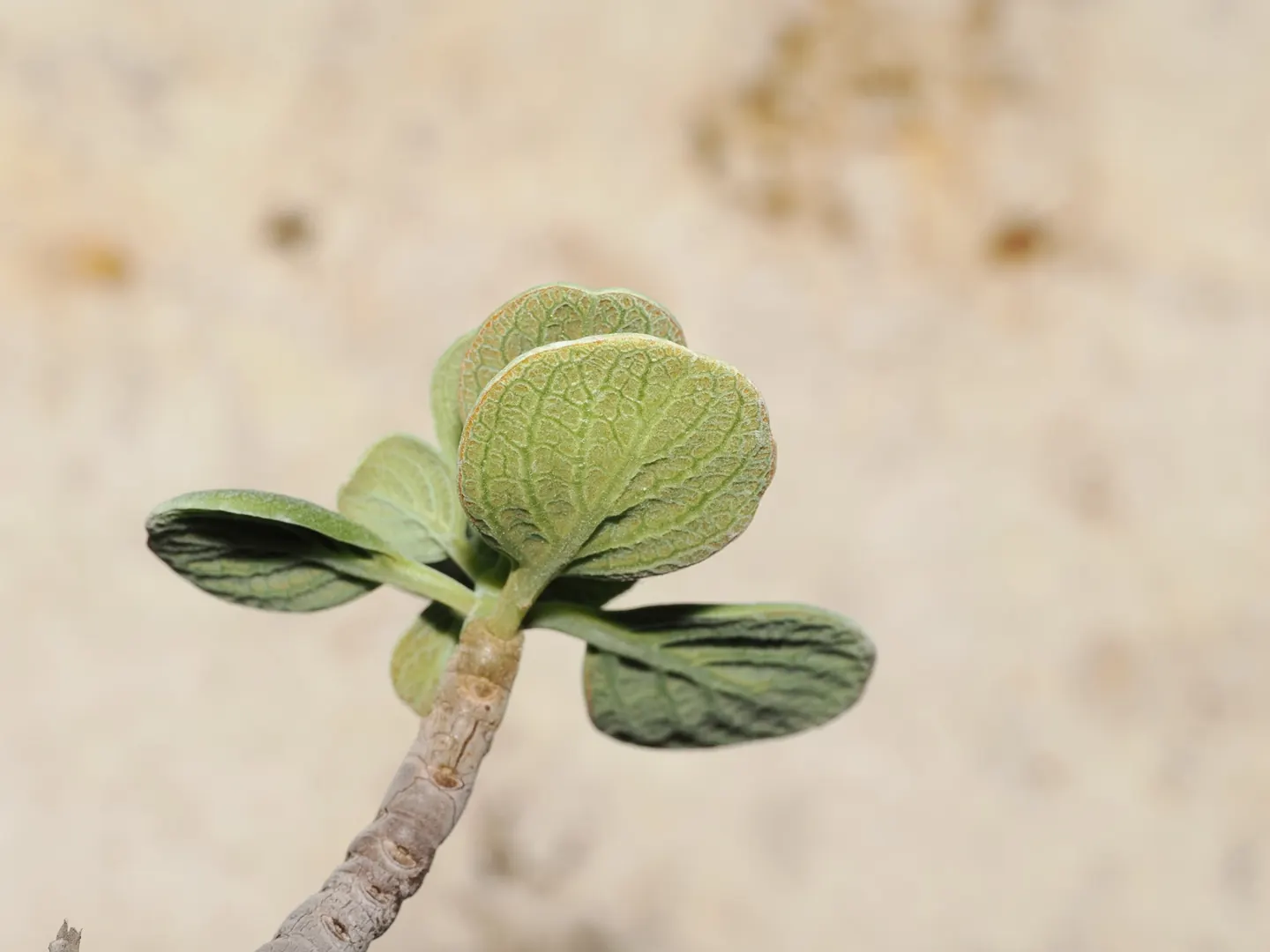
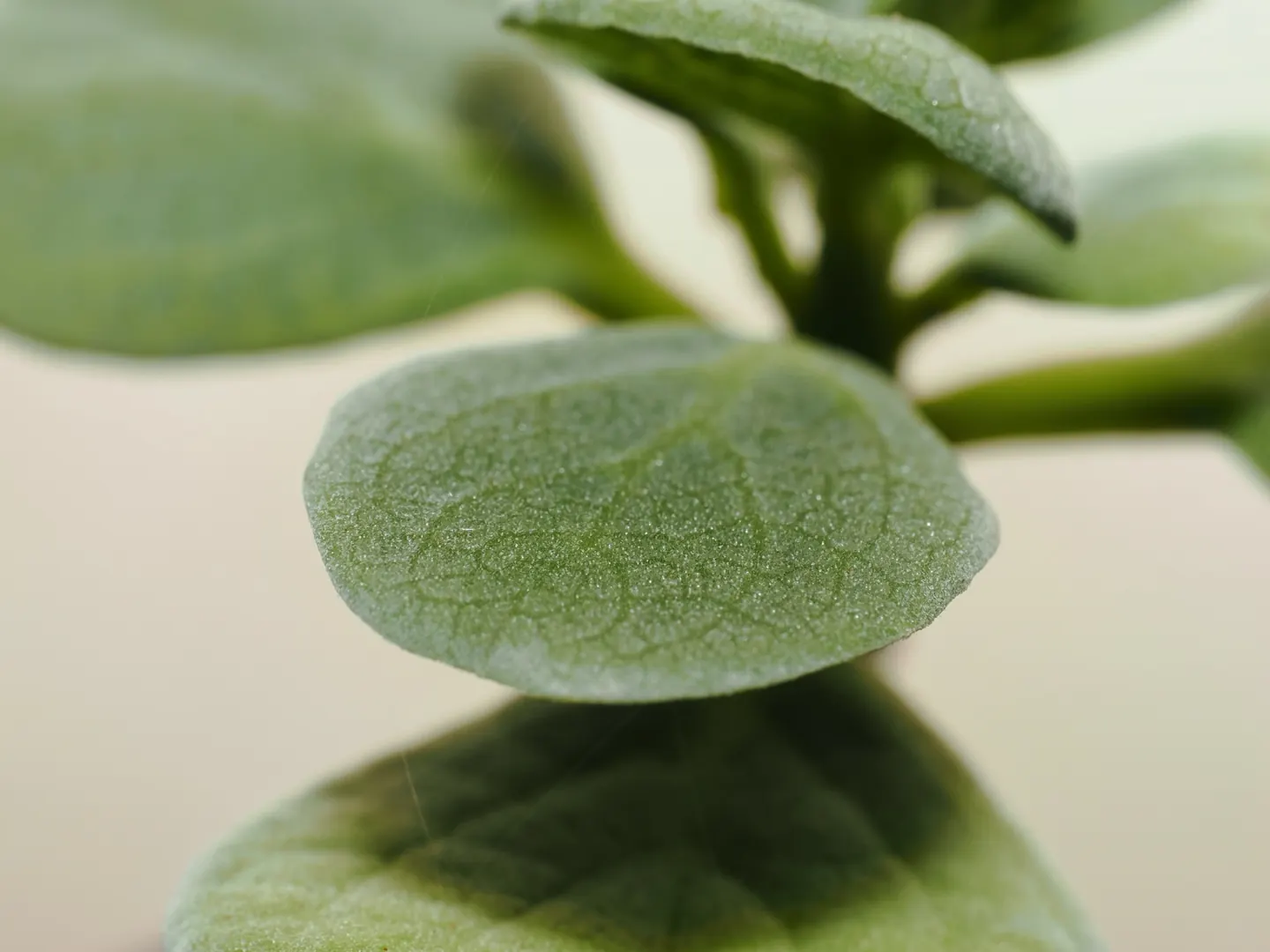
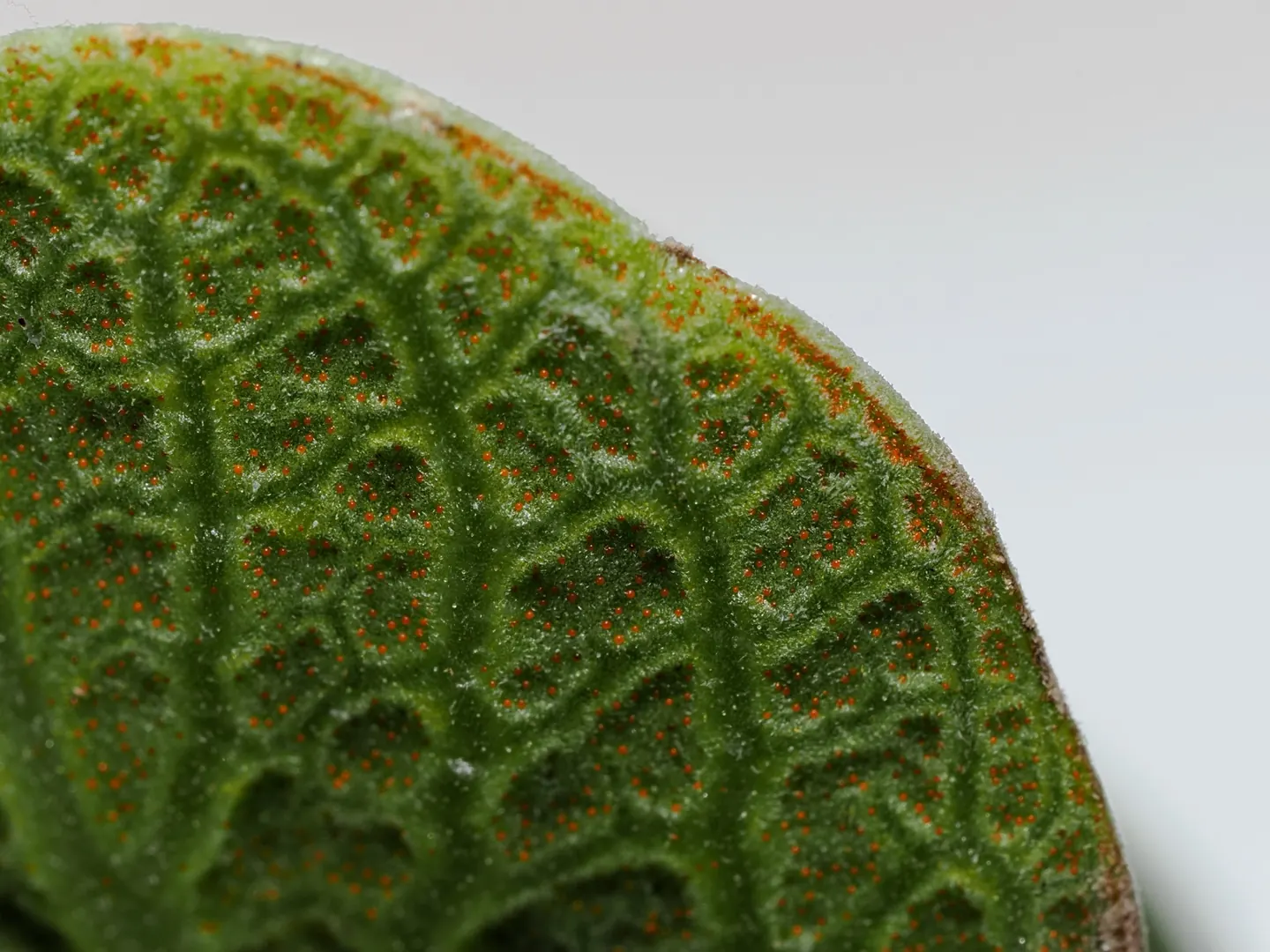
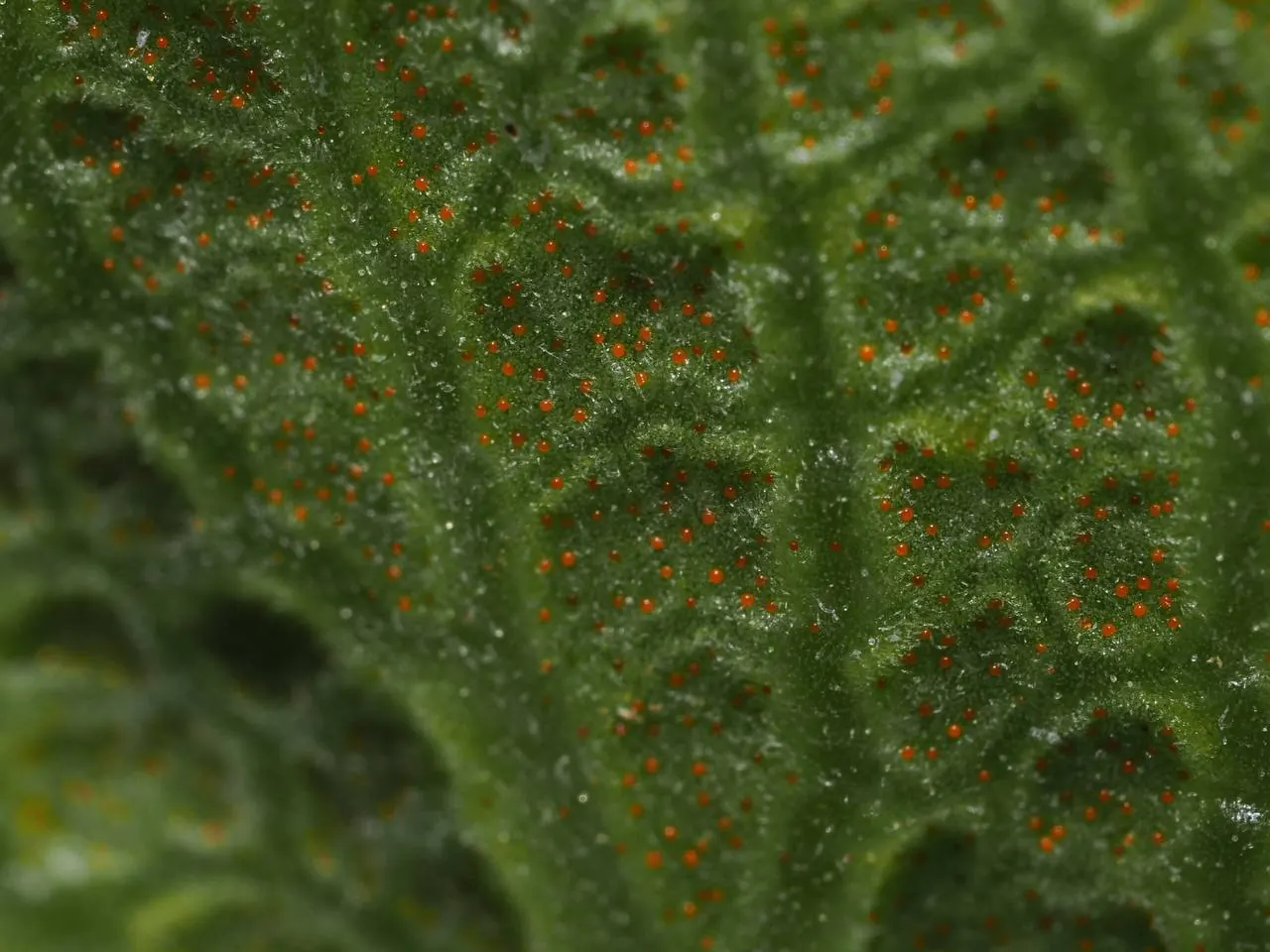
- Coleus hymalis — Mola Matar, Yemen
06 / QUELLENSOURCES
Literature used
- Govaerts, R. et al.: World Checklist of Vascular Plants, Royal Botanic Gardens, Kew.
- Paton, A. J. et al. (2019): Nomenclatural changes in Coleus and Plectranthus (Lamiaceae). PhytoKeys 129: 1–158.
- Fick, S. E. & Hijmans, R. J. (2017): WorldClim 2: new 1-km spatial resolution climate surfaces for global land areas. International Journal of Climatology 37: 4302–4315.
- Beck, H. E. et al. (2018): Present and future Köppen-Geiger climate classification maps at 1-km resolution. Scientific Data 5: 180214.
07 / EIGENE AUFNAHMENCULTIVATED PLANTS
Pflanzen in KulturPlants in cultivation