SONNENREYCH / 04
Sonnenreych
Sonnenreych documents a private botanical collection in Germany.
The largest part of the collection comes from southern Africa. It is followed by East Africa, including Kenya and Tanzania, the Horn of Africa with Somalia and Ethiopia, and smaller holdings from Socotra and the Arabian Peninsula. Principal groups are Sansevieria, Pelargonium, mostly succulent species of Coleus and Plectranthus, various Asphodelaceae and Dorstenia, together with selected Adenium and Pachypodium.
Documented localities, botanically interesting characters, rarity in cultivation and origin in a distinctive plant region all influence which plants enter the collection. Locality and field or collection numbers are recorded where available. Missing locality information remains clearly marked.
The public archive presents a curated selection. Species profiles combine information from floras, monographs and scientific papers with diagnostic characters, habitat, ethnobotany and documented collection data. Literature records and cultivation inferences derived from them are clearly distinguished.
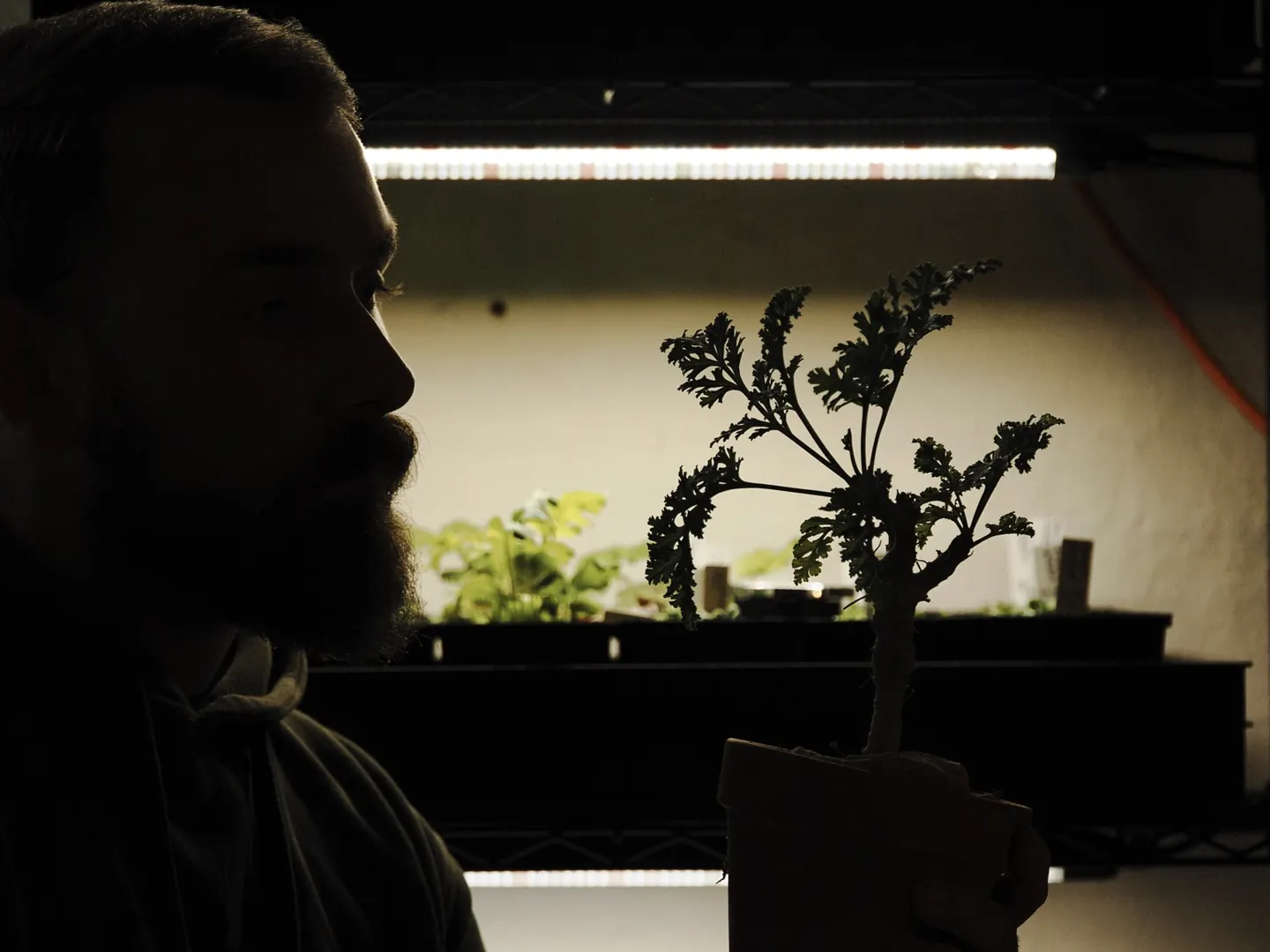
The plants grow partly under glass and partly outdoors, and are protected from the cold in winter. The various mineral substrates contain proportions of organic substrate that vary by species. Light, temperature and watering are based as far as possible on the habitat and seasonal rhythm of each species.
The cultivation site lies in the northern Harz foreland, in the warm-temperate zone under sub-Atlantic influence. For 1991–2020, the nearby DWD station at Liebenburg-Othfresen recorded a mean annual temperature of 9.7 °C, 695 mm of precipitation and 1,581 hours of sunshine. These conditions differ markedly from many of the collection’s natural habitats: intense sunlight, warm seasonal rainfall or pronounced dry seasons contrast here with short, changeable summers, periods of cold damp weather and particularly low winter light. Species from the Southern Hemisphere often also follow a growth cycle shifted relative to Central Europe. A greenhouse, rain protection, artificial lighting and controlled dry overwintering compensate for some of these differences. The habitat itself cannot be recreated; only its decisive seasonal signals can be approximated in cultivation.
Identification keys are supplementary tools linked directly to the appropriate families. Propagated plants may occasionally be available on request; there is no regular sales list or shop.
The name Sonnenreych takes up the historical German word Sonnenreich. The German Dictionary of Jacob and Wilhelm Grimm records it both as a noun for the realm of the sun and as an adjective for something rich in sun or sunshine. The spelling with y is a deliberate historicising variation.